Description
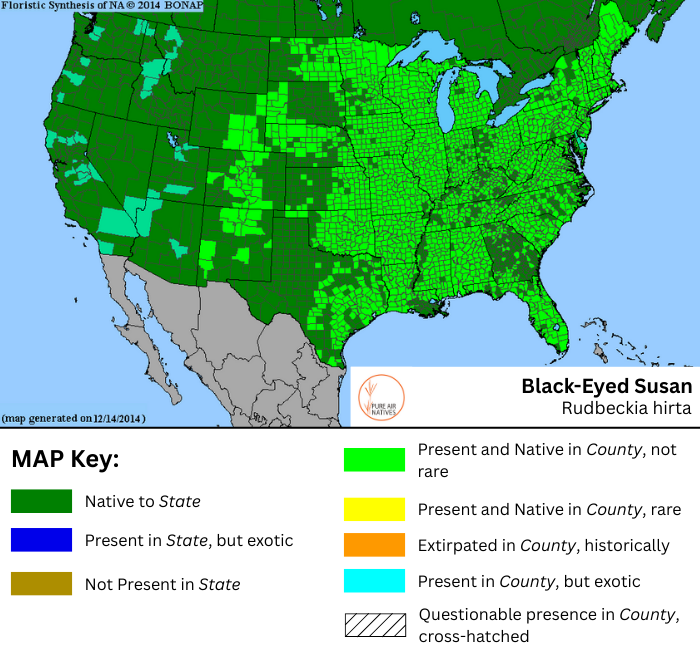
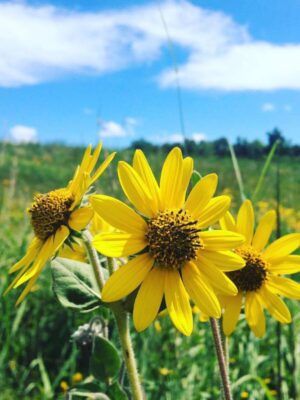
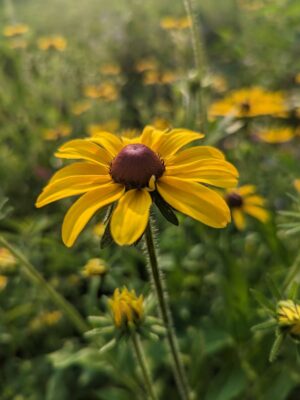
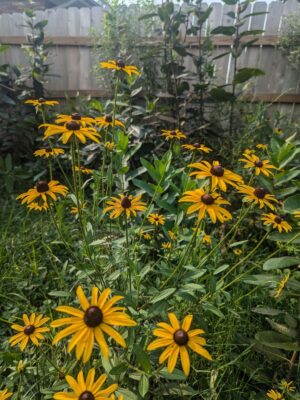
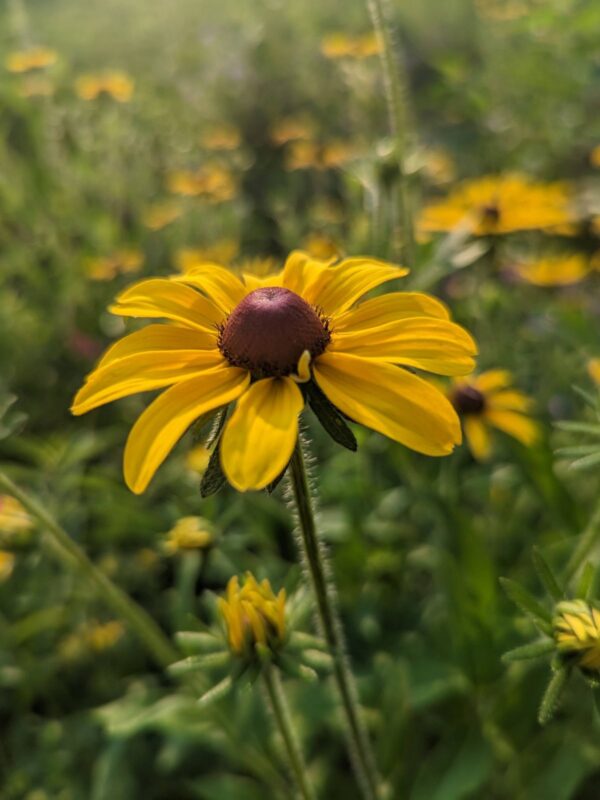
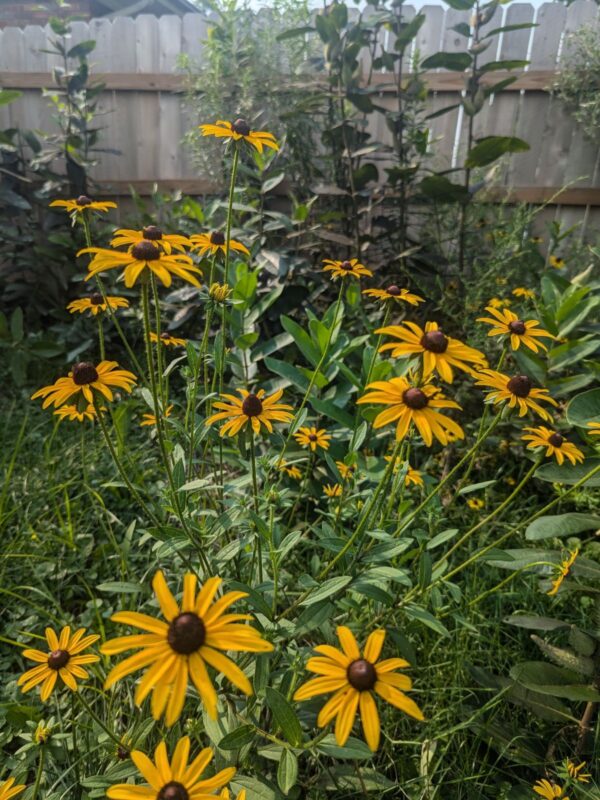
Black-eyed Susan (Rudbeckia hirta) is a bright, easygoing native wildflower that brings yellow color to the landscape. Growing 1–3 feet tall, it blooms from early summer into fall with golden petals and a dark brown center.
Black-eyed Susan thrives in full sun and well-drained soils but can handle partial shade and a range of conditions. It’s very drought- and heat-tolerant once established, and deer usually leave it alone. In ideal conditions, it can spread, but occasional thinning keeps it in check. It’s often one of the first plants to establish in new native seedings, acting as a “pioneer” species. While individual plants are biennial, they reseed effortlessly, so you’ll continue to see them year after year.
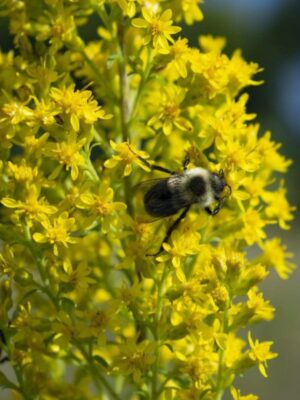
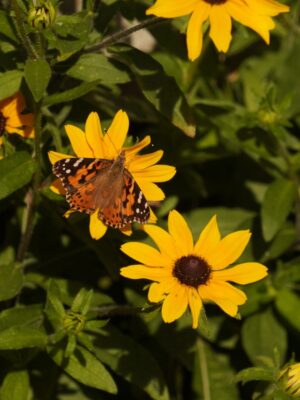
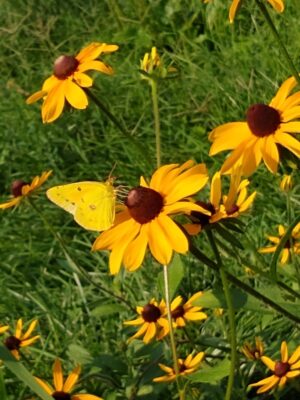
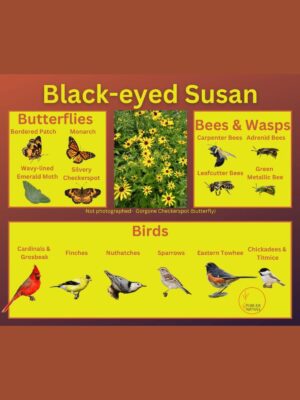
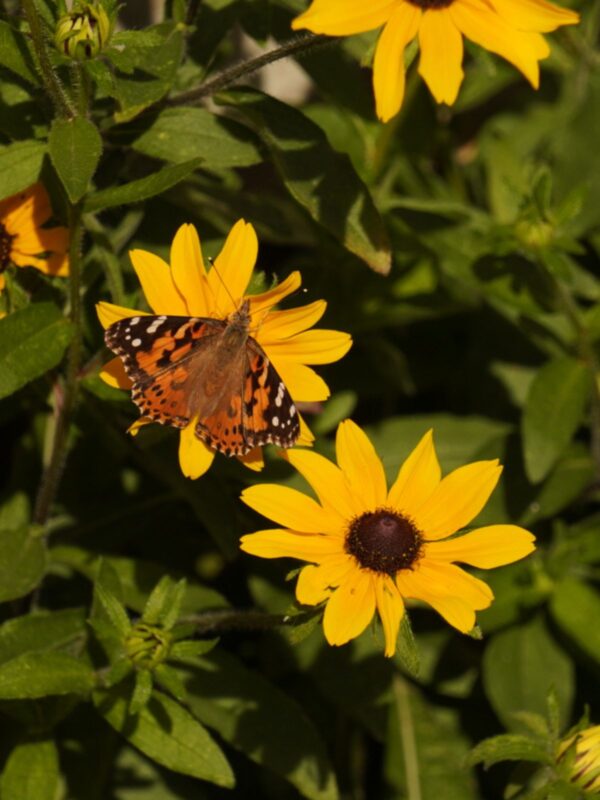
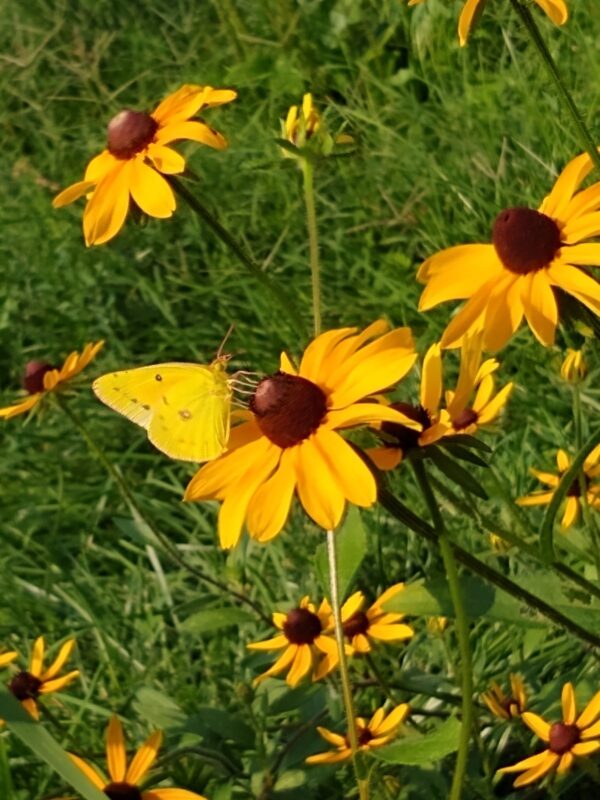
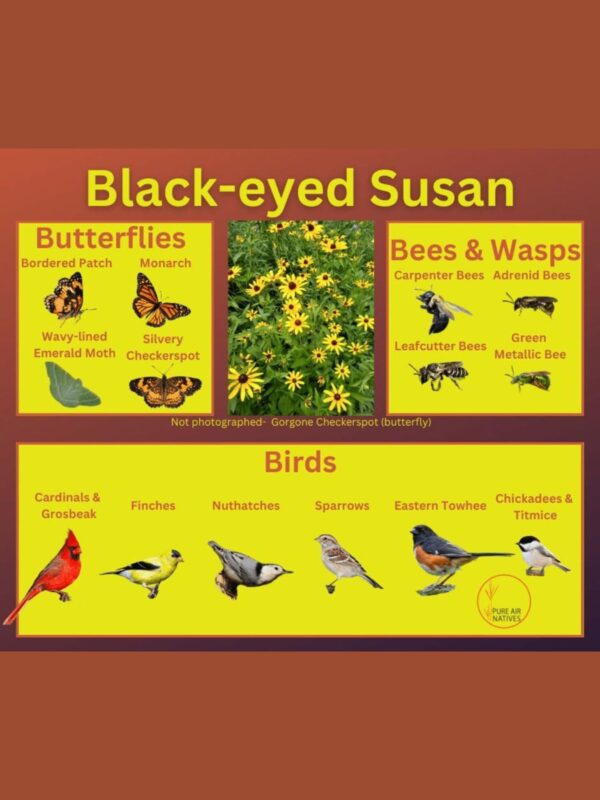
This plant is an enormous pollinator magnet, attracting bees, butterflies, and other beneficial insects. It also serves as a host plant for the Silvery Checkerspot butterfly, and birds will feed on the seeds later in the season. You’ll often see it included our prairie and savanna seed mixes for early color and habitat foundation.
It pairs well with other Rudbeckia species, like Sweet Black-eyed Susan (Rudbeckia subtomentosa), Orange Coneflower (Rudbeckia fulgida), Wild Golden Glow (Rudbeckia laciniata), and Brown-eyed Susan (Rudbeckia triloba), which vary in height, lifespan, and bloom timing but offer a similar look across different garden conditions.
Black-eyed Susan pairs well with other prairie staples like Purple Coneflower (Echinacea purpurea), New England Aster (Symphyotrichum novae-angliae), and Wild Bergamot (Monarda fistulosa).