Description
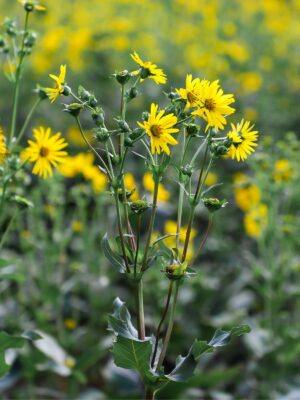
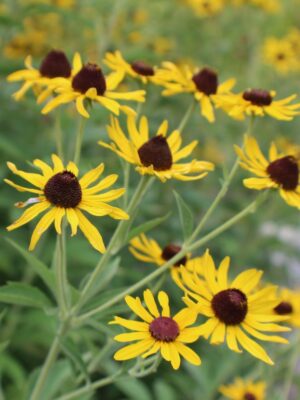
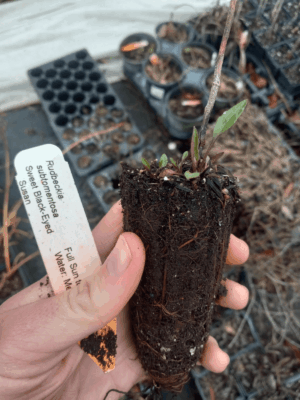
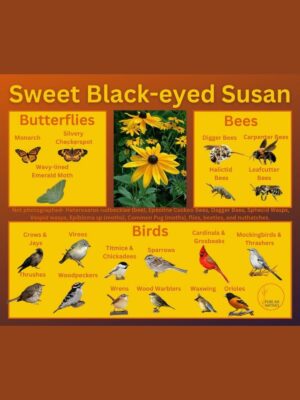
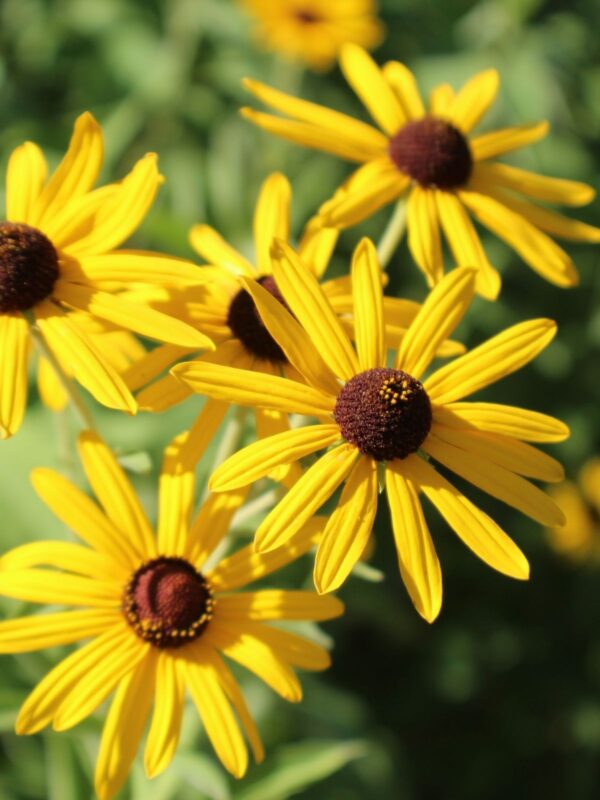
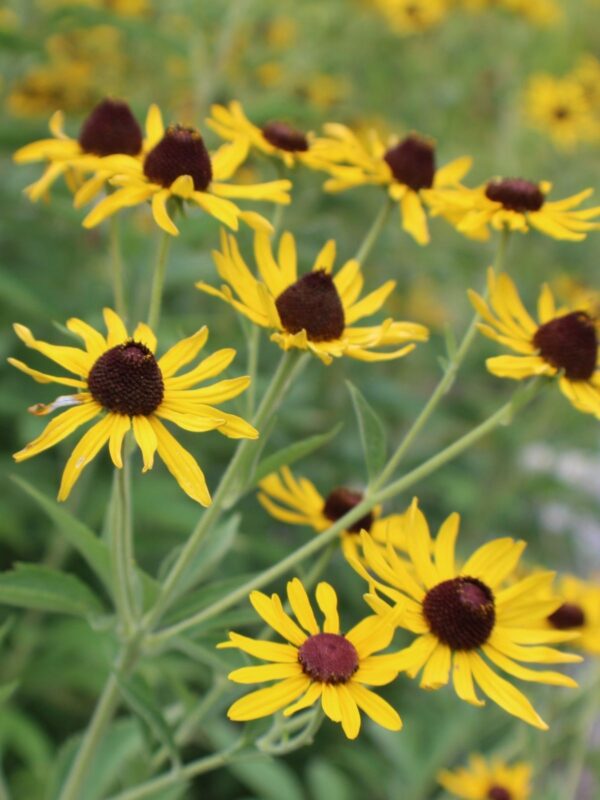
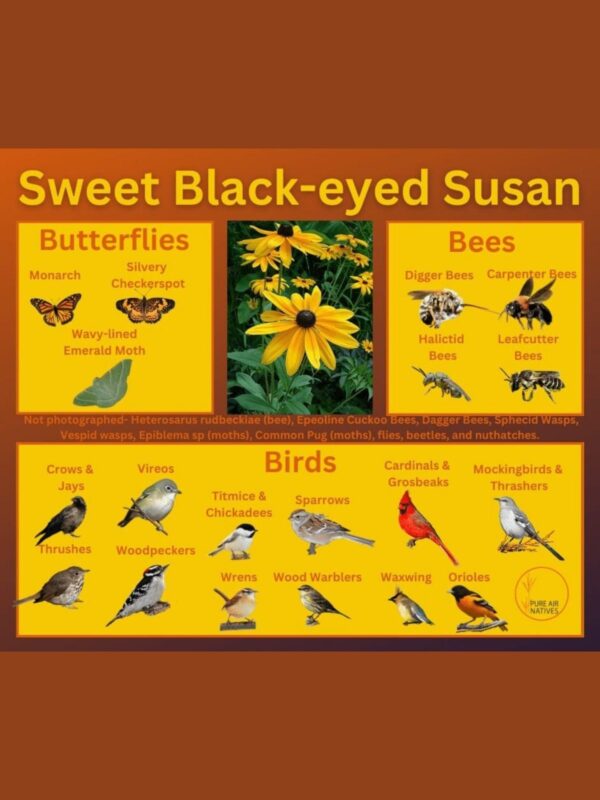
Sweet Black-Eyed Susan (Rudbeckia subtomentosa), also known as Sweet Coneflower, is a long-lived native perennial that produces large golden-yellow flowers from late summer into fall. Growing up to 4 feet tall, it provides strong structure and an extended source of nectar for bees, butterflies, beetles, and skippers.
Unlike Black-Eyed Susan (Rudbeckia hirta) and Brown-Eyed Susan (Rudbeckia triloba), which are biennial or short-lived perennials, Sweet Black-Eyed Susan is a long-lived perennial. It is a tough prairie plant that handles high winds and challenging soils, making it a reliable choice for Midwest landscapes.
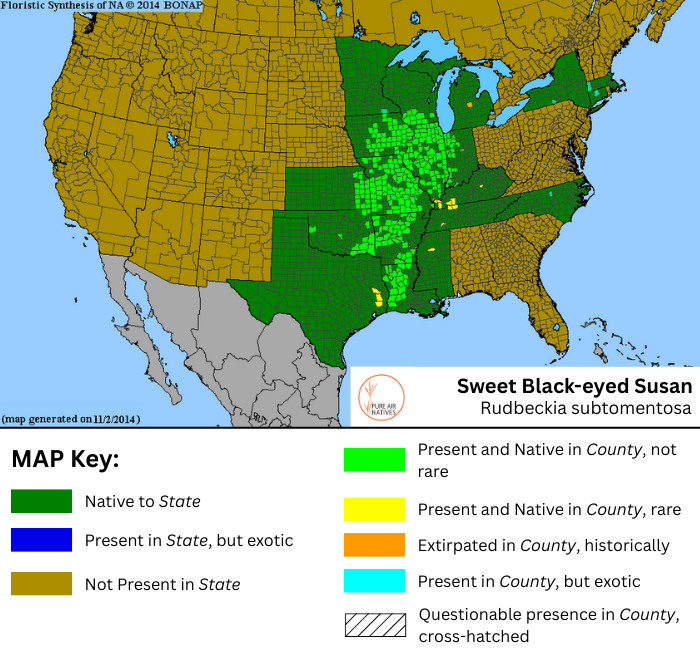
Sweet Black-Eyed Susan grows best in full sun and medium-dry to medium-moist soils. It’s frequently found in wet and mesic prairies, savannas, woodland borders, and along ditches and creek banks in states bordering the Mississippi River. Once established, it is drought tolerant and deer resistant.
The flowers average about 3 inches across and bloom for several weeks from August through October. The foliage has a pleasant sweet fragrance, similar to Sweet Grass (Hierochloe odorata), which gives the plant its common name. The flowers provide late-season nectar and pollen for a wide variety of pollinators.