Description
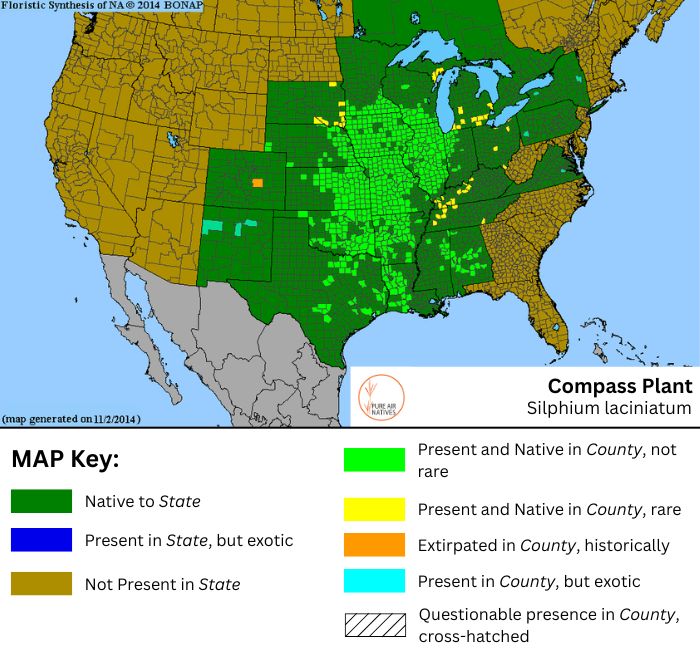
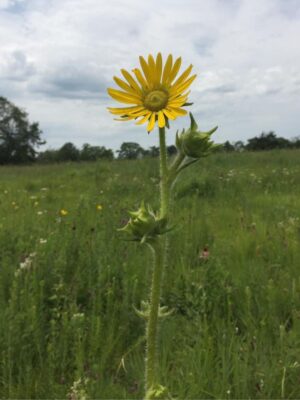
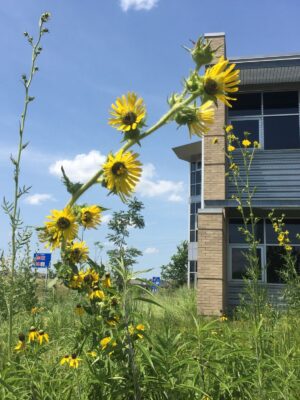
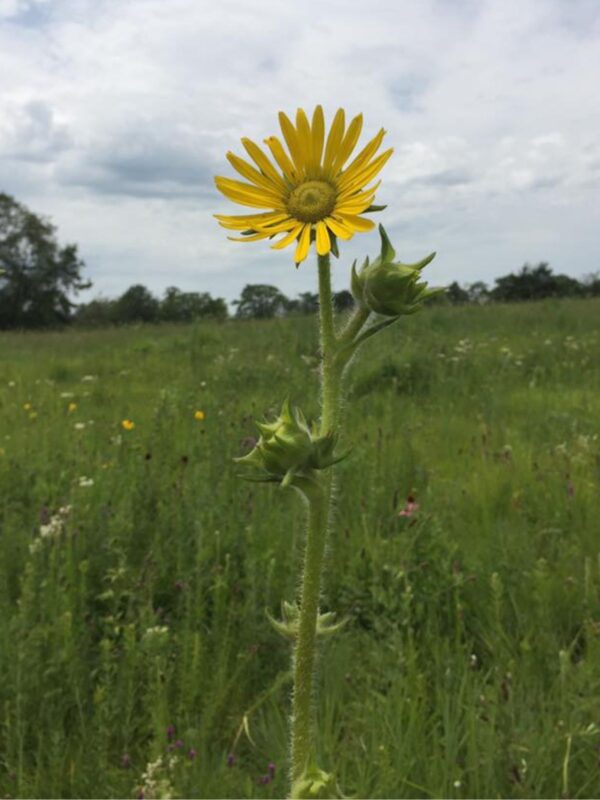
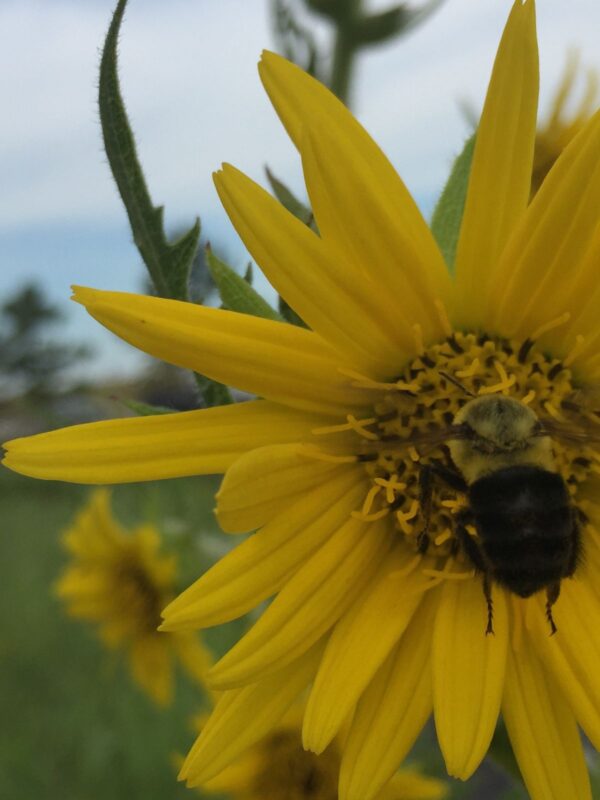
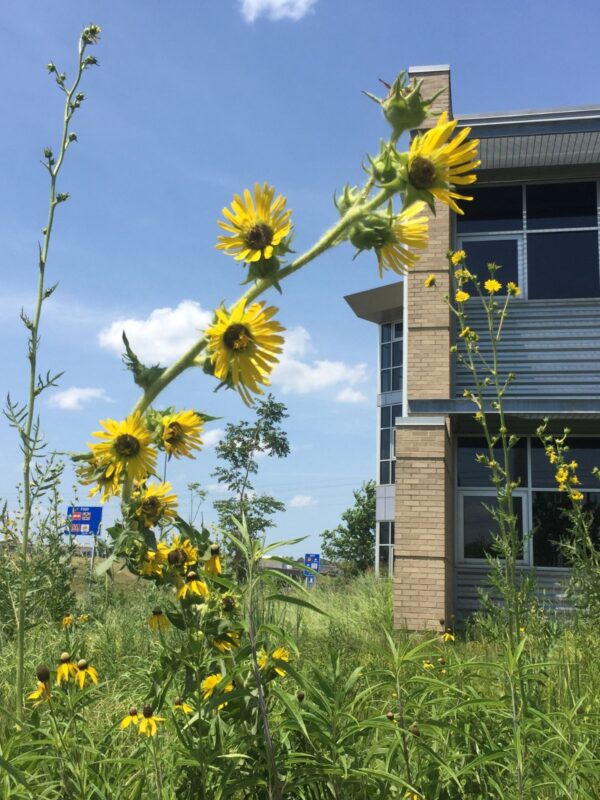
Compass Plant (Silphium laciniatum), also known as Prairie Compass Plant, is one of the most iconic plants of the tallgrass prairie. Its deeply lobed leaves and tall flower stalks rise well above surrounding grasses and wildflowers, giving it a bold, unmistakable presence. While the bright yellow blooms look similar to sunflowers, this plant has a unique trait that really sets it apart.
Its large basal leaves often orient north–south. Early prairie travelers used this feature to help find their way. This positioning also helps the plant handle heat and conserve moisture during the hottest parts of the day.
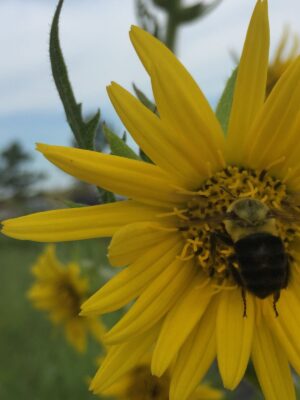
In mid to late summer, tall stems—often reaching 6 to 8 feet in rich soils—produce bright yellow flowers that draw in bees, butterflies, and other pollinators. You’ll often see birds like goldfinches perched on the sturdy stems as well. With an exceptionally deep taproot, Compass Plant is very drought tolerant once established. It can live for decades, sometimes even close to 100 years in the right conditions!
It grows best in full sun and handles a wide range of soils, including clay and tougher sites but performs best in well-drained conditions. Because of its size and long lifespan, it’s best suited for prairies, larger native plantings, and restoration areas where it has room to grow.
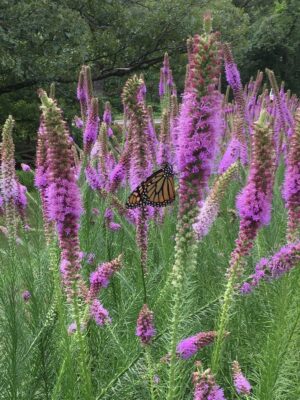
Prairie Dock (Silphium terebinthinaceum), Rattlesnake Master (Eryngium yuccifolium), Prairie Blazing Star (Liatris pycnostachya), and Purple Coneflower (Echinacea purpurea) all pair well with Compass Plant, complementing its height and structure.