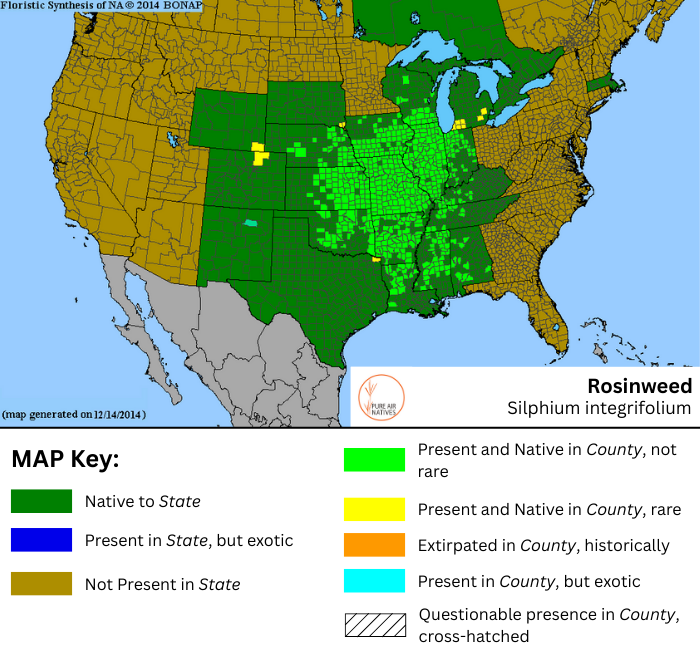
Description
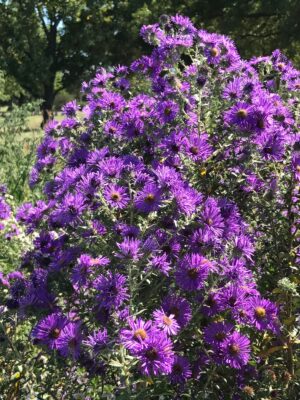
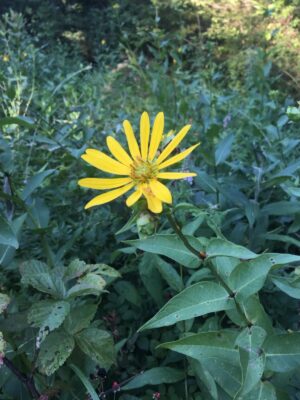
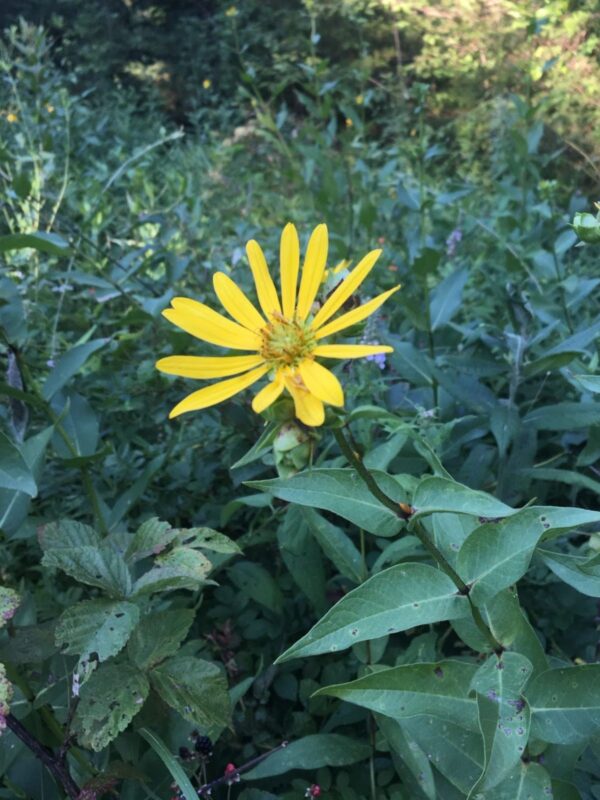
Rosinweed (Silphium integrifolium) is a sturdy native wildflower with bright yellow, sunflower-like blooms and thick green leaves. It usually grows 2–5 feet tall and brings vertical structure to prairies, meadows, and native gardens. The name “Rosinweed” comes from the sticky sap the plant produces, which was once used like chewing gum by Native Americans.
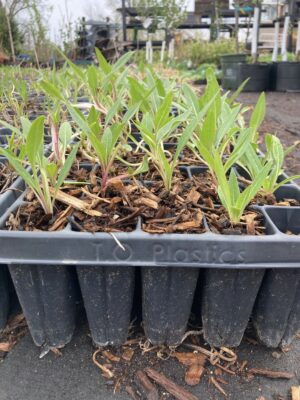
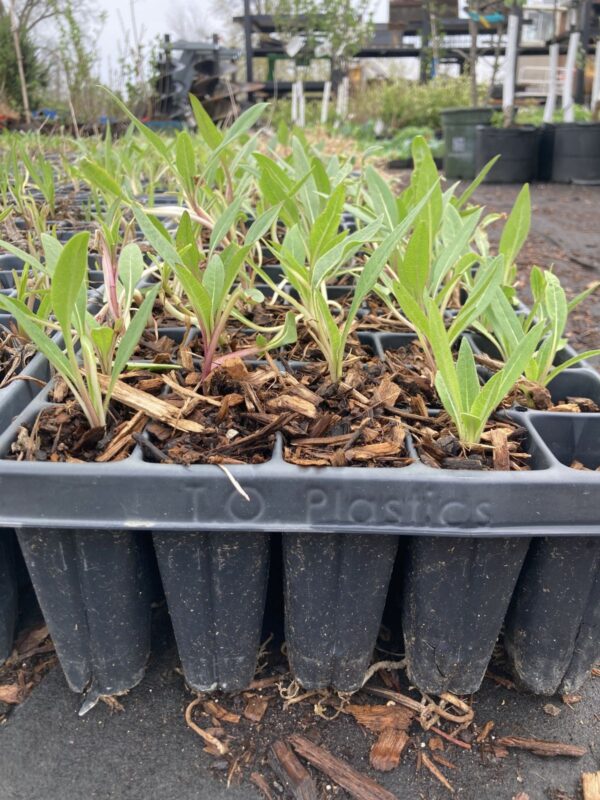
Before it flowers, it looks like milkweed. Once it blooms, it resembles a sunflower, but it flowers earlier in the season. Compared to other Silphium species, it’s more manageable in garden settings since it stays shorter and has strong stems that don’t need support. It’s great for supporting pollinators, especially native bees.
Rosinweed grows best in full sun and well-drained soil, but it’s very tough and handles dry conditions well. Its deep roots help it stay healthy during drought, and over time it can slowly spread to form small patches. Make sure to give it some space so it doesn’t crowd out smaller plants.
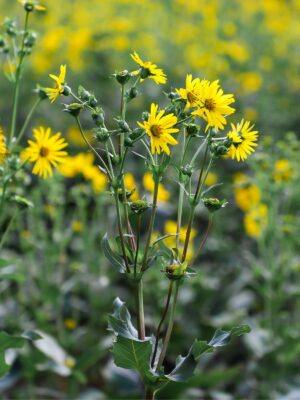
It pairs well with other prairie plants and especially with related species like Cup Plant (Silphium perfoliatum), Compass Plant (Silphium laciniatum), Prairie Dock (Silphium terebinthinaceum), and Whorled Rosinweed (Silphium trifoliatum). These all have a similar look but vary in height and structure, which helps create a more natural, layered planting.