Description
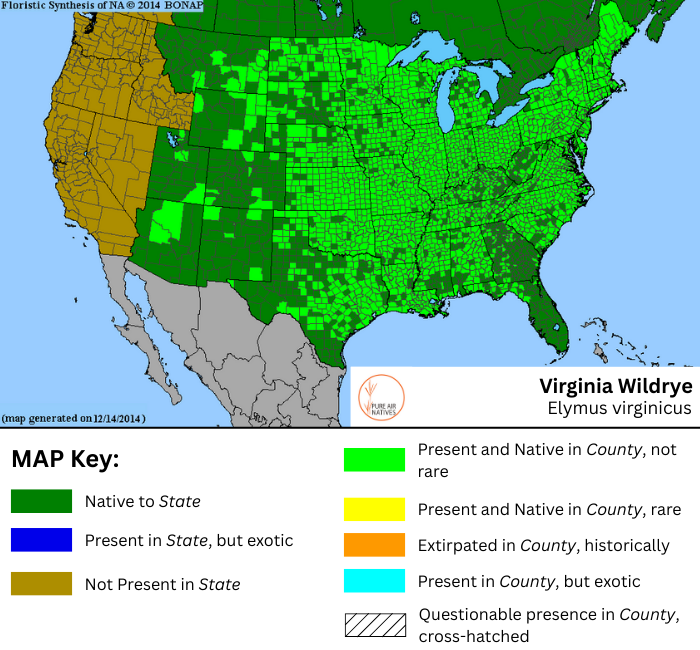
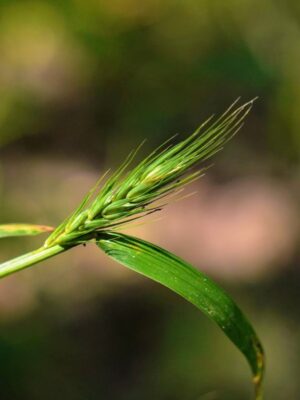
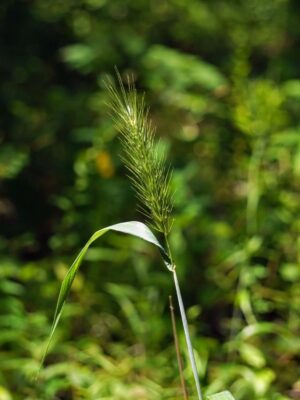
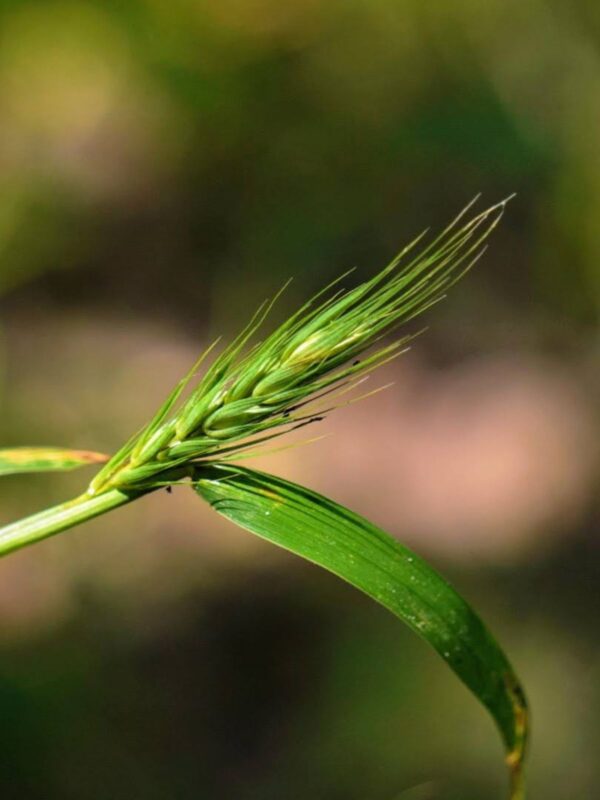
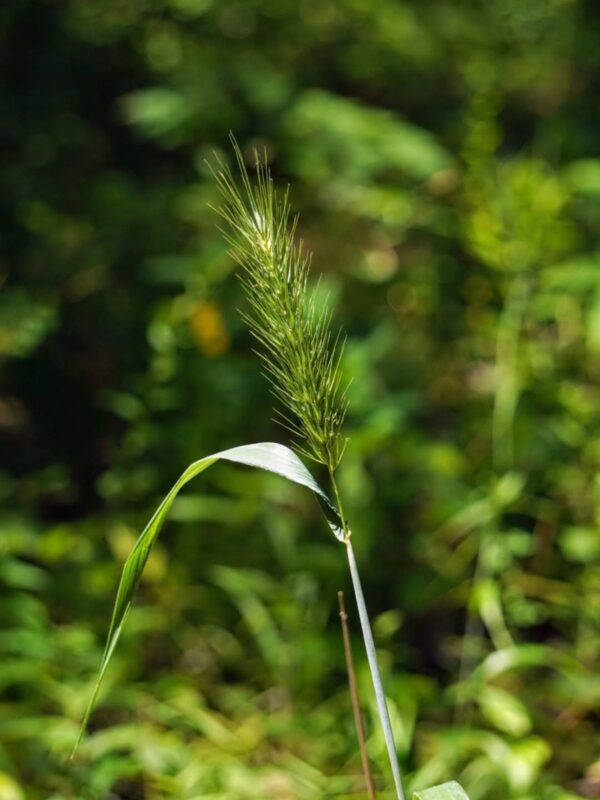
Virginia Wildrye (Elymus virginicus) is a fast-establishing native grass that works well in both natural areas and managed landscapes. It typically grows 3–4 feet tall and has a soft, arching look with seed heads that give it a slightly wild, natural feel.
This is a cool-season grass, meaning it puts on most of its growth in spring and fall. It prefers moist, rich soils and is often found along woodland edges, streambanks, and open shady areas, but it can also handle full sun and drier conditions once established.
Virginia Wildrye establishes quickly, helps stabilize soil, and works well for erosion control and streambank projects. Because it reseeds easily, it’s also used as a native cover crop or as a “pioneer” species in prairie and woodland restorations. It supports wildlife by providing food and cover, and various insects use it as a host plant. Livestock may graze it earlier in the season, though mature seed heads develop sharp awns that animals and pets tend to avoid.
In the fall, the foliage takes on tan and reddish tones, adding some seasonal interest.
Virginia Wildrye pairs well with warm-season prairie grasses like Big Bluestem (Andropogon gerardii), Little Bluestem (Schizachyrium scoparium), Indian Grass (Sorghastrum nutans), and Switchgrass (Panicum virgatum), helping create a balanced planting that has structure year round.