Description
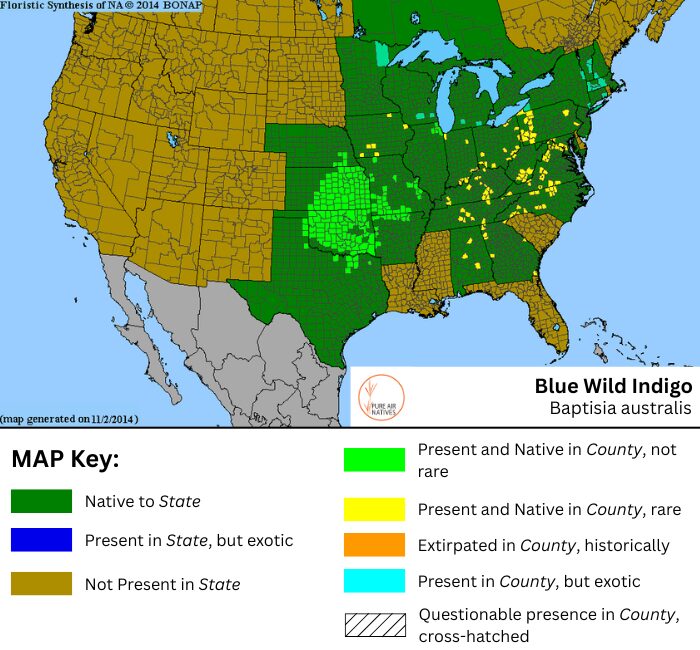
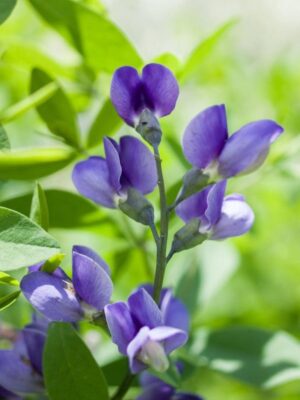
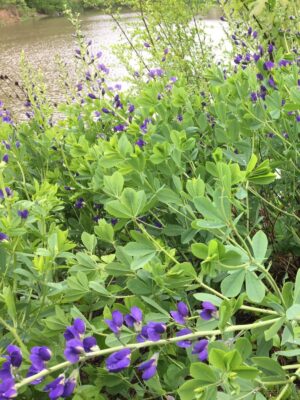
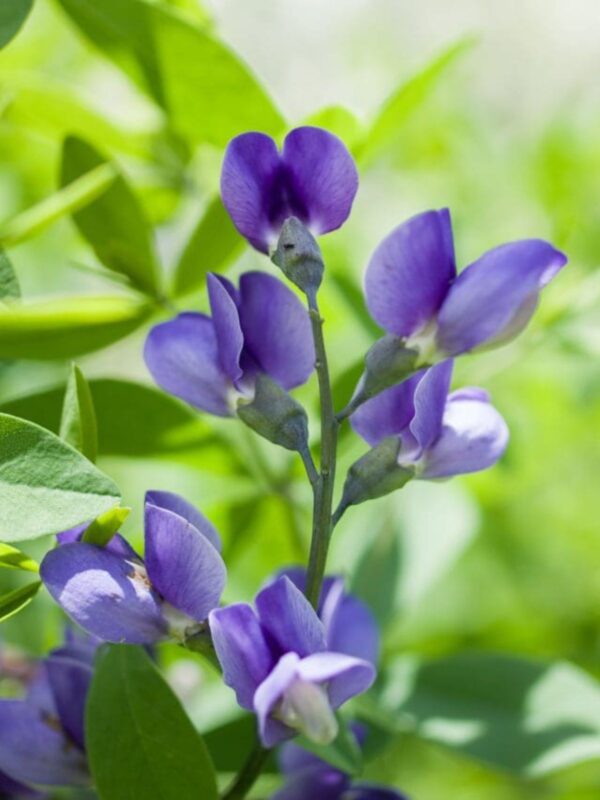
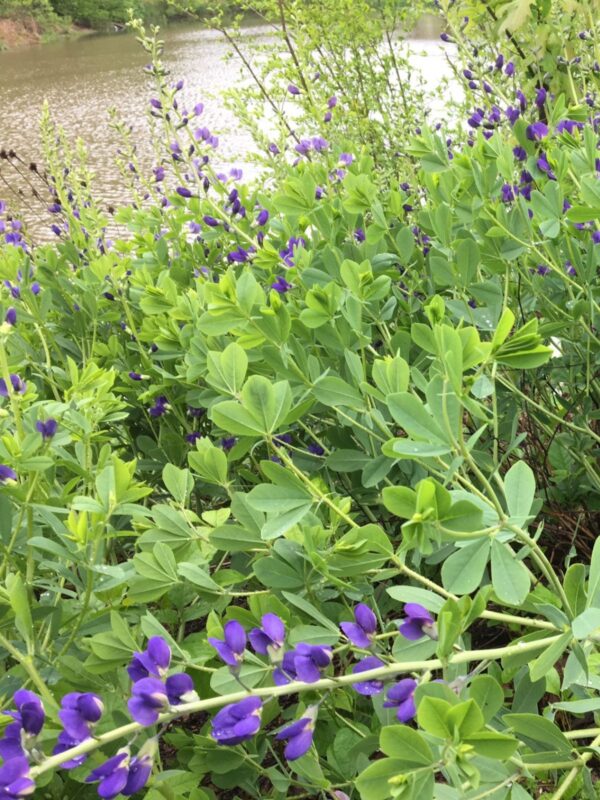
Blue Wild Indigo (Baptisia australis), also known as Blue False Indigo, is a bold, long-lived native that makes a statement. In late spring, tall stems rise above the foliage with spikes of deep blue, pea-like flowers that really stand out in prairie and garden settings.
These blooms attract bees and other pollinators, and after flowering, the plant forms inflated seed pods that add texture into summer and fall. Over time, it develops into a full, shrub-like clump, giving it a strong presence even when not in bloom.
Blue Wild Indigo does best in full sun and moist well-drained soils, including sandy or rocky spots. Once it’s established, the deep taproot makes it very drought-tolerant and easy to care for. It’s a great choice for prairies, pollinator gardens, or anywhere you want something durable that will stick around for years.
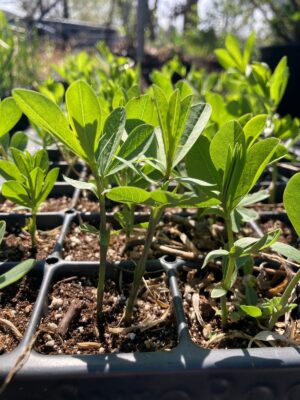
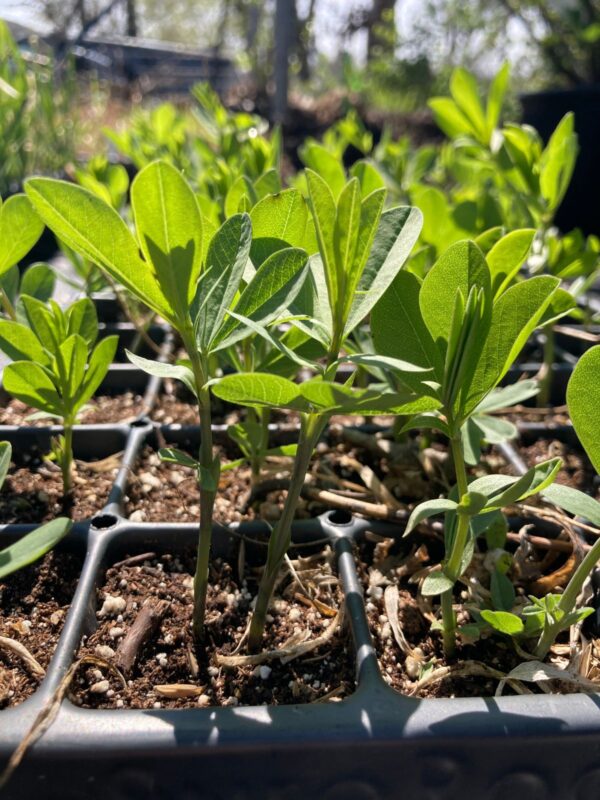
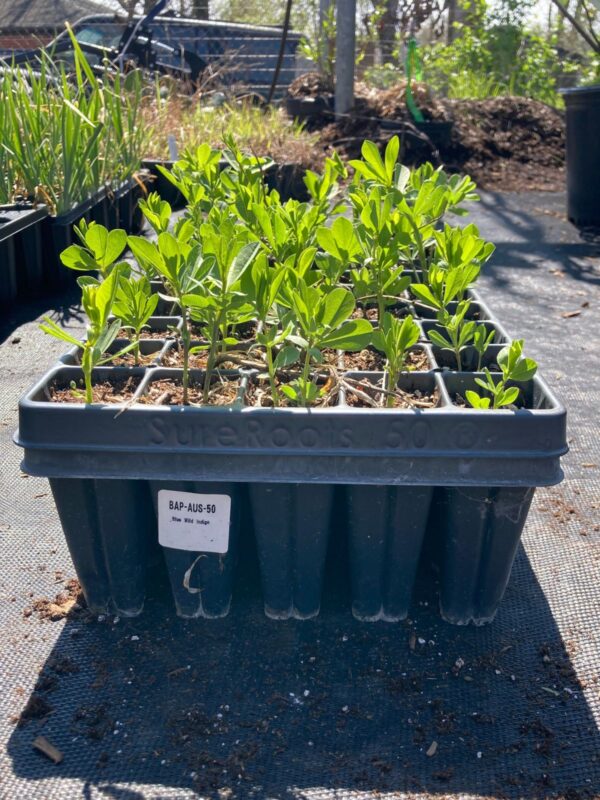
Like other Baptisias, it spends the first couple of years putting energy into its roots, so early growth can be a bit smaller or even slightly floppy. Give it time—it becomes much fuller and sturdier with each season. Mature plants can reach about 3–4 feet tall, so it needs some space.
It also serves as a host plant for the Wild Indigo Duskywing butterfly, and the dried stems and seed pods add interest into fall.
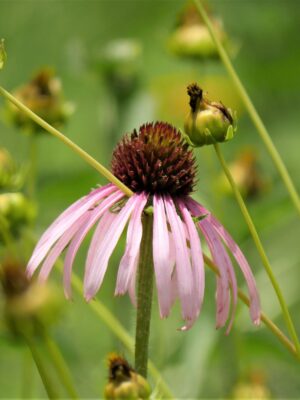
It pairs nicely with other Baptisia species like Yellow Wild Indigo (Baptisia sphaerocarpa), White Wild Indigo (Baptisia alba), and Small Yellow Wild Indigo (Baptisia tinctoria), along with prairie staples like Purple Coneflower (Echinacea purpurea) and Little Bluestem (Schizachyrium scoparium) for a well-rounded planting.