Description
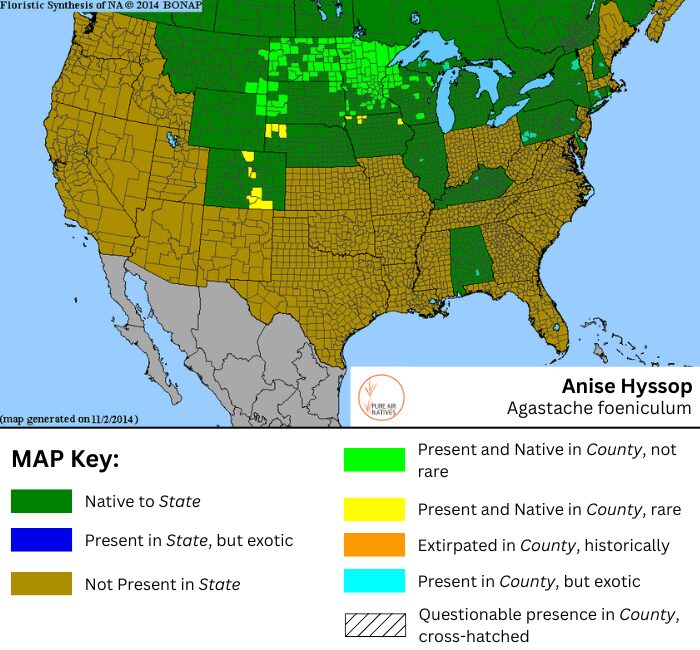
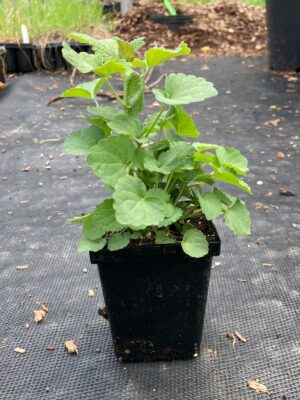
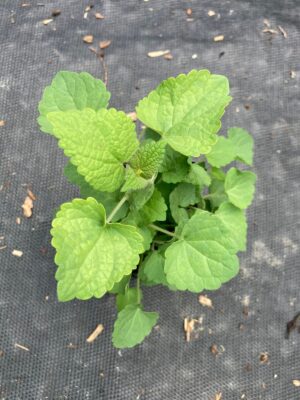
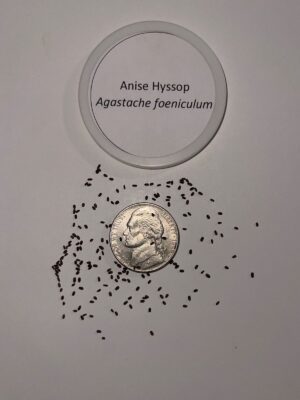
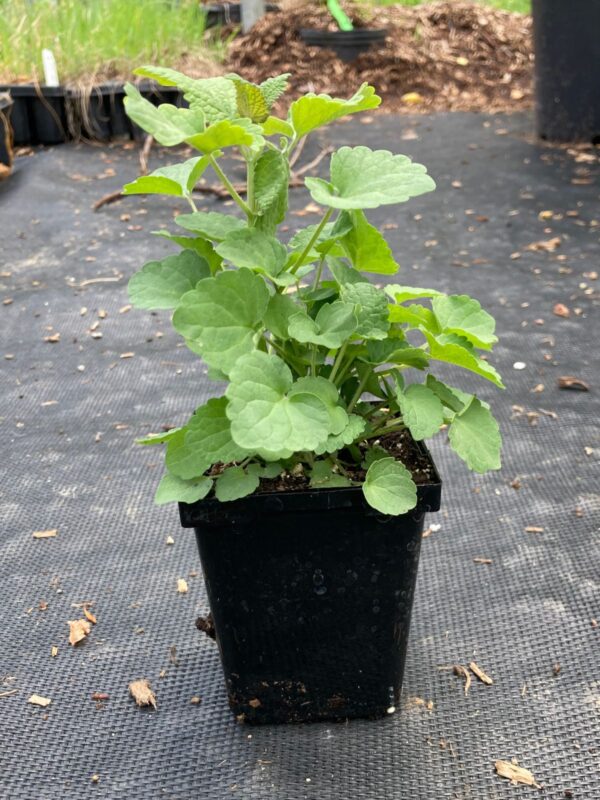
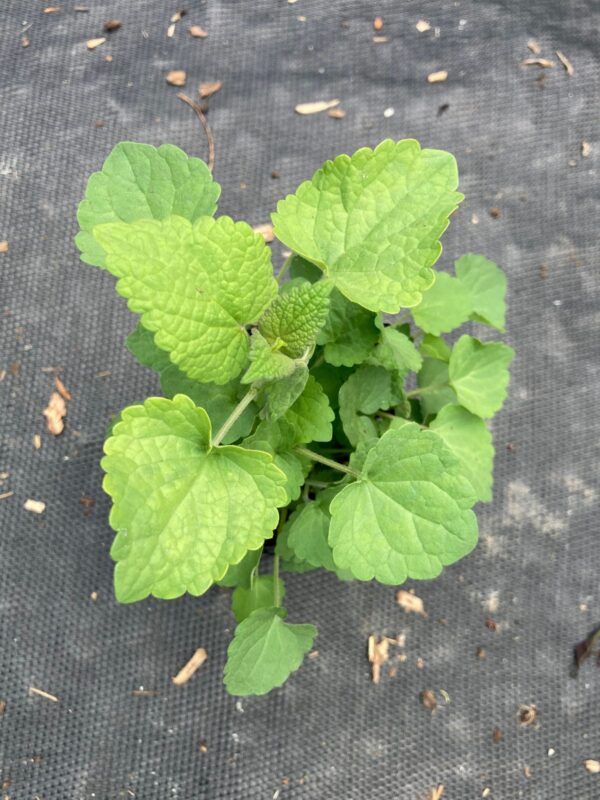
Anise Hyssop (Agastache foeniculum), also called Blue Giant Hyssop or Lavender Hyssop, is a fragrant native that’s as practical as it is attractive. It produces tall spikes of lavender to violet flowers from early to late summer, and those blooms stay busy with bees, butterflies, and hummingbirds the entire time. The leaves have a noticeable licorice or anise scent when crushed, which is where the name comes from. The foliage is soft green with lighter undersides that catch the light in the wind, adding a bit of movement even when it’s not in bloom.
It typically grows 2–3 feet tall with sturdy, square stems and an upright stature. Flowers open gradually along the spikes, which helps extend the bloom period. It’s also one of the easier natives to grow and will often bloom in its first year. It self-seeds, but seedlings are easy to manage or transplant.
Anise Hyssop does best in full sun and well-drained soils, but it’s pretty adaptable once established and handles drought well. It’s also deer-resistant thanks to its strong scent.
Beyond the garden, it has a long history of use. The leaves and flowers are edible and commonly used in teas, baking, and salads for their sweet, herbal flavor. Traditionally, it’s been used to support digestion, soothe colds, and promote relaxation.
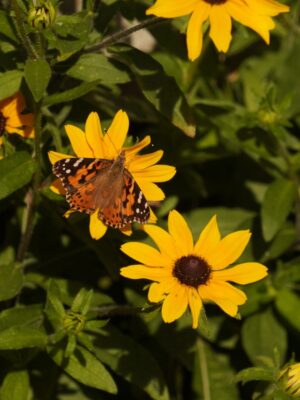
Anise Hyssop pairs well with other sun-loving natives like Purple Coneflower (Echinacea purpurea), Black-eyed Susan (Rudbeckia hirta), Little Bluestem (Schizachyrium scoparium), and Wild Bergamot (Monarda fistulosa) for a colorful, pollinator-heavy planting.