

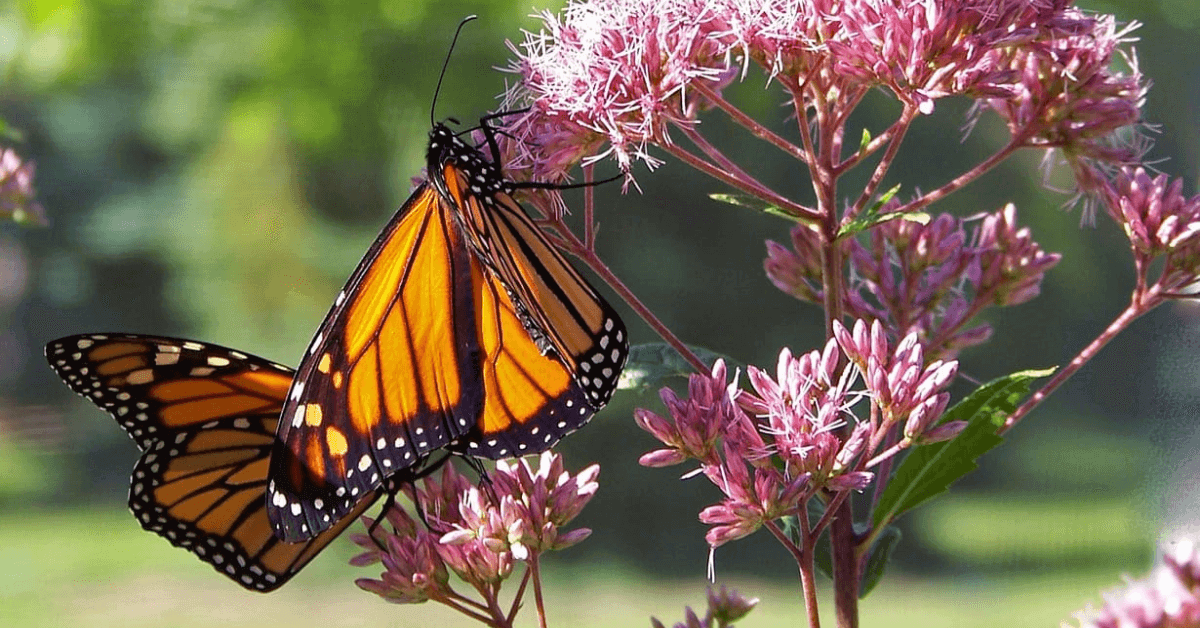
Not that long ago, native grasses, sedges, and wildflowers covered much of the United States. These native prairies supported a wide range of wildlife and played an important role in keeping ecosystems healthy. Plants provided food and shelter while also building strong, fertile soils.
As human development expanded, many of these prairies were cleared to make room for farms, roads, and neighborhoods. What remains today are often small, disconnected patches of native habitat.
This shift has affected many species, but pollinators have been hit especially hard. Monarch butterflies, in particular, depend on native wildflowers to survive, and the loss of those plants has had serious consequences.
Planting milkweed native to your region is one of the most effective ways to help monarch butterflies and other pollinators recover. Native gardening and landscaping help restore habitat and bring life back into the landscape.
Below, we’ll explain why milkweed matters, when to plant it, which species work best, and how planting native milkweed can help monarch populations recover.
- Why Is Milkweed Important To Monarch Butterflies?
- Monarch Butterfly Food Is Scarce
- Monarch and Milkweed Relationship: Why Do Monarch Butterflies Like Milkweed?
- Milkweed Plant Benefits
- Fall or Spring: When To Plant Milkweed Seeds
- When To Collect Milkweed Pods
- Best Milkweed Seeds For Monarch Butterflies
- Which Milkweed Strain Is Bad For Monarchs?
- Top Milkweed Seeds & Mixes For Monarchs And Pollinators
- Need Help Choosing The Right Native Seeds?
Why Is Milkweed Important To Monarch Butterflies?
Milkweed is essential to the monarch butterfly life cycle.
Monarch butterflies lay their eggs only on milkweed plants. When the eggs hatch, the caterpillars feed exclusively on milkweed leaves. Without milkweed on the landscape, monarchs cannot reproduce.
Adult monarchs also rely on milkweed nectar as a food source, especially during migration. Milkweed flowers provide high-energy nectar that helps fuel their long journey across North America.
In Missouri and throughout the Midwest, milkweed patches act as critical stopover points. Monarchs use them to feed, rest, and lay eggs as they move between breeding and overwintering areas.
Monarch Butterfly Food Is Scarce
The decline of monarch butterflies is closely tied to the loss of milkweed.
As native prairies and grasslands were removed, milkweed populations declined as well. This reduced the availability of both egg-laying sites and caterpillar food sources.
Because monarch caterpillars can only eat milkweed, even small losses in milkweed habitat can have a large impact on monarch populations.
Restoring milkweed to gardens, farms, roadsides, and natural areas helps rebuild the food supply monarchs depend on.
Milkweed Plant Benefits
Milkweed isn’t just good for monarchs. It’s also a strong choice for gardeners and landowners looking for low-maintenance native plants.
Milkweed benefits include:
A long-lived perennial that returns year after year
Low maintenance once established
Natural deer resistance
No need for fertilizers or pesticides
Support for bees, butterflies, and other pollinators
Milkweed works well in pollinator gardens, native plant beds, prairie plantings, and restoration projects. Many species pair naturally with other native wildflowers and grasses.
The Monarch and Milkweed Relationship
Monarch butterflies and milkweed evolved together over thousands of years.
Milkweed plants contain natural chemicals called cardenolides that are toxic to most animals. Monarch caterpillars are able to eat milkweed without harm and store these compounds in their bodies.
This makes monarchs unappealing to predators and provides protection throughout their life cycle.
While feeding on milkweed nectar, monarchs also help pollinate milkweed and other native plants. This close relationship is one reason planting native milkweed species is so important for monarch conservation.
When to Plant Milkweed Seeds
Milkweed seeds require a period of cold to germinate properly. This process is known as cold stratification and helps ensure seeds sprout at the right time.
Fall planting
Fall is the easiest and most natural time to plant milkweed seeds. Seeds experience winter temperatures outdoors and germinate naturally in spring when conditions are right.
Spring planting
If planting in spring, milkweed seeds should be cold-stratified in a refrigerator for three to four weeks before planting.
Milkweed prefers full sun and performs best when seeds are pressed into the soil surface rather than buried deeply.
Native Milkweed Species We Carry
Different milkweed species prefer different conditions. Choosing the right one for your site makes planting much more successful.
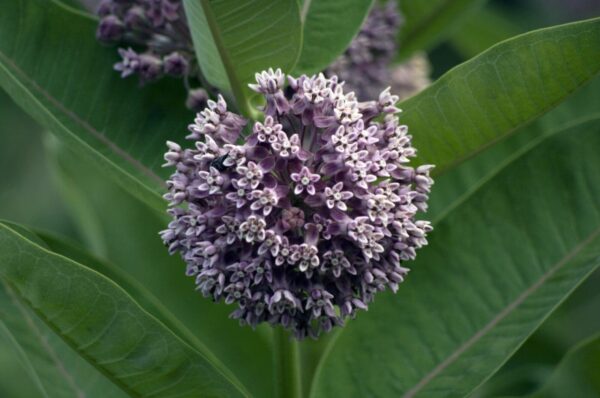
Purple Milkweed (Asclepias purpurascens)
Purple Milkweed (Asclepias purpurascens) is a rare and striking native milkweed, valued for its deep purple flower clusters and ecological importance. Native to Eastern North America, it grows in prairies, open woodlands, and dry, calcium-rich soils—making it a key species for prairie and savanna restoration.
Its large, pointed leaves (6–8 inches) and rich, bitter latex deter most herbivores, though deer may still browse it. Blooming in early to mid-summer, its purple flowers attract long-tongued bees, butterflies, hummingbirds, and other pollinators. It is a larval host plant for Monarchs and other milkweed specialists.
Due to habitat loss, Purple Milkweed is listed as endangered in several states, including Massachusetts and Wisconsin, and is a species of concern in others. Its presence supports conservation of prairie remnants and declining pollinator species.
Swamp Milkweed
Swamp Milkweed (Asclepias incarnata) is a showy, sweet-scented native with clusters of rosy pink blooms and a soft vanilla fragrance. A favorite host plant for Monarchs and Swallowtails, it supports pollinators throughout mid-summer.
This deer-resistant milkweed thrives in moist soils—ideal for rain gardens, pond edges, and wetlands—but can handle average garden conditions too. After blooming, its tall stems produce large seed pods that release fluffy seeds to the wind.
Great for native gardens, restoration sites, and anyone looking to support butterflies at home.
Also known as: Rose Milkweed.
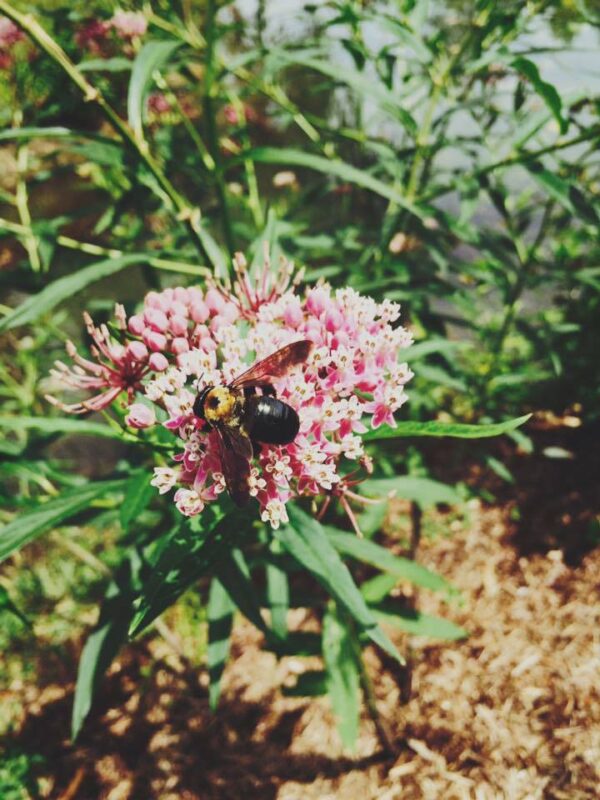
Common Milkweed
Common Milkweed (Asclepias syriaca) might not be as everywhere as it once was, but it’s a must‑have for any native habitat: it shoots up several‑foot hairy stems crowned with 2–5 round clusters of whitish‑pink, nectar‑packed blooms from June through August. Its big, fuzzy leaves and warty pods—full of silky seeds that float on the breeze—are impossible to miss.
Bees, butterflies, and especially Monarch caterpillars flock to it, while deer usually give it a pass. This tough perennial thrives in full to partial sun, handles everything from dry spells to moist soil, and bounces back year after year. A must have for any native garden!
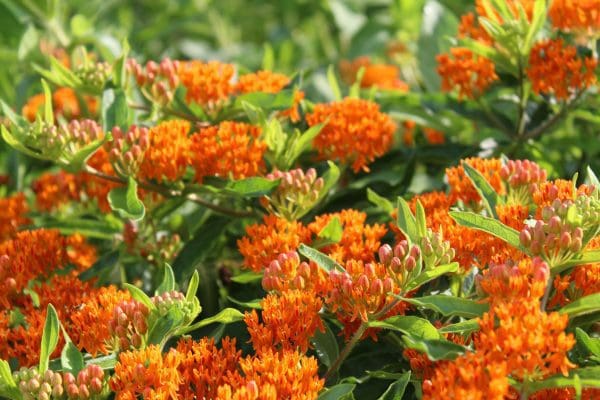
Butterfly Milkweed
Butterfly Milkweed (Asclepias tuberosa) lives up to its name as the go‑to snack for Monarch and Queen butterflies, serving up crucial late‑season nectar that helps Monarchs fuel up on their long journey south each year. Unlike other milkweeds, it skips the milky sap but makes up for it with bold clusters of orange‑yellow flowers popping from early summer through early fall. These plants hit about 3 feet tall on slim, branching stems lined with narrow, dark‑green leaves, and later drop skinny pods full of silky seeds.
Native across the central and eastern U.S. (and parts of Canada), this perennial soaks up full sun, handles well‑drained soil (and a bit of drought or deer nibbling), and reliably blooms from May through September.
When To Collect Milkweed Pods
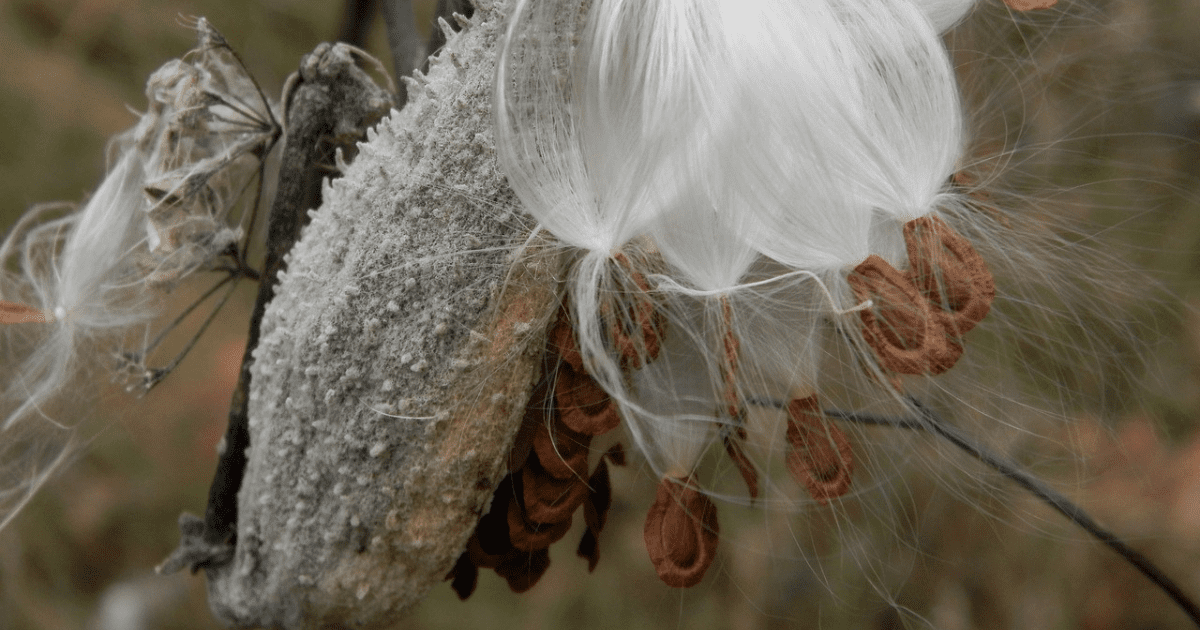
Milkweed plants produce seed pods in late summer and early fall.
In the Midwest, the best time to collect milkweed pods is typically from September through November. Pods should be dry, firm, brown, and fully closed. These signs indicate that the seeds inside are mature.
To test readiness, gently squeeze the pod along its seam. If it does not split open easily, it is not ready. Avoid collecting soft or already-open pods.
When pods appear, you can:
Leave them on the plant to disperse naturally
Break open pods in late fall and scatter seeds
Collect and store seeds for future planting
Milkweed seeds are hardy, and as long as they experience cold conditions, they are generally easy to grow.
Which Milkweed Strain Is Bad For Monarchs?
Tropical milkweed is often sold at big box stores, but it does not belong in the Midwest. It’s actually considered an invasive species across the U.S..
Because it doesn’t die back in winter, tropical milkweed can interfere with monarch migration and increase disease risk. Native milkweed species are always the better choice for long-term monarch health.
Supporting Monarchs Beyond a Single Plant
Planting more than one milkweed plant makes a bigger impact.
Monarch habitat seed mixes combine milkweed with other native wildflowers that provide nectar throughout the growing season. These mixes support monarchs during multiple life stages and create more complete habitat.
They are well suited for larger yards, prairies, farms, and restoration projects.
Need Help Choosing the Right Native Seeds?
We’ve been supplying native seed for the Midwest for over 25 years, and we’re always happy to help.
Whether you’re planting a backyard monarch garden, restoring a prairie, or seeding several acres, we can help you choose species that match your site conditions and goals.
Call us at 636-357-6433 or fill out this form. Every milkweed planted helps, and we’re glad to be part of the process.