Description
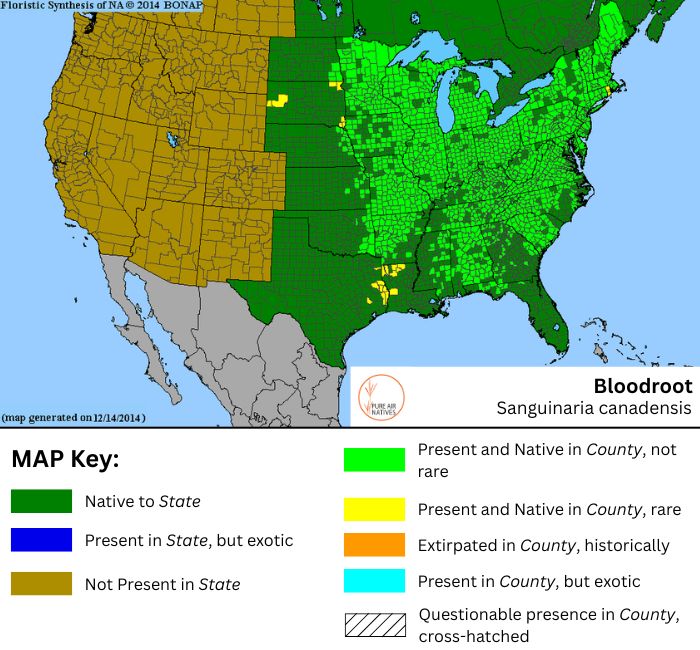
Bloodroot (Sanguinaria canadensis), also called Red Puccoon, Bloodwort, or Pauson, is a native spring ephemeral named for the red-orange sap in its roots and stems. This sap was historically used as a dye, and the name Sanguinaria comes from the Latin word for “bleeding”.
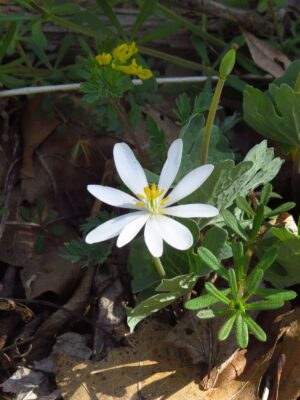
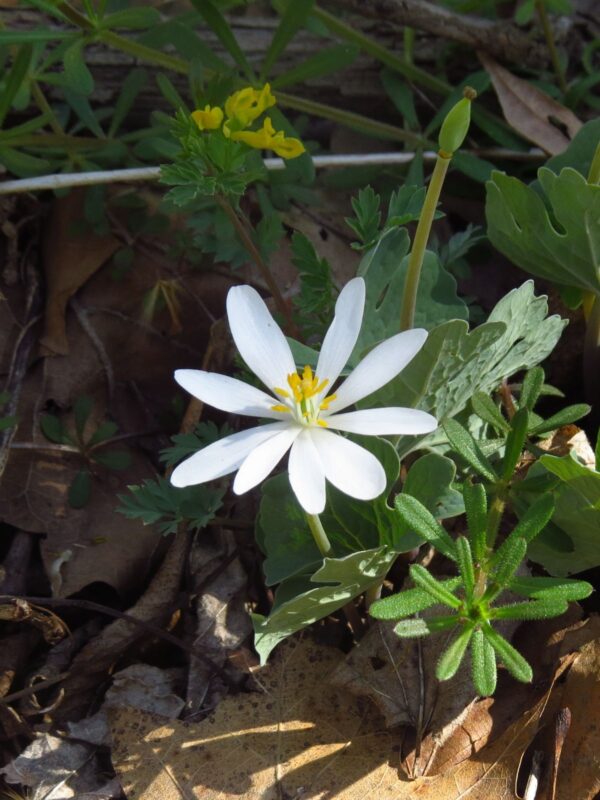
It is one of the first wildflowers to emerge in spring. Each plant produces a single white flower with a golden center, wrapped in a curled leaf as it rises. The leaf slowly opens as the flower blooms, creating a unique two-stage display. The blooms are short-lived but lightly fragrant, opening in sun and closing at night, and provide an early nectar source for native bees.
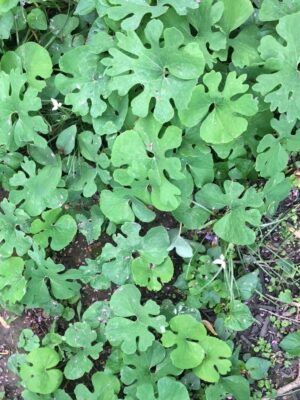
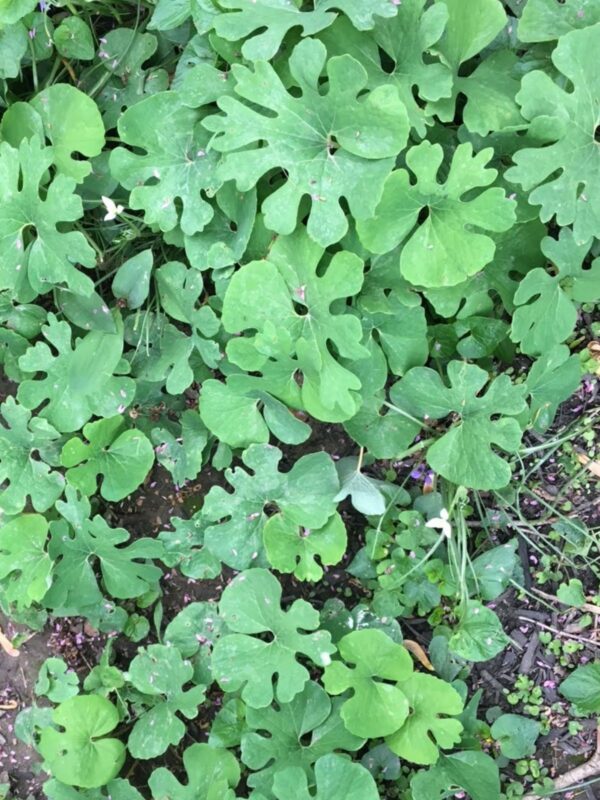
Plants reach about 6–10 inches tall in bloom, with leaves expanding up to 6 inches wide before going dormant by early summer. Bloodroot thrives in partial to full shade and prefers rich, well-drained soils with consistent moisture.
It spreads slowly by rhizomes and seed, forming colonies over time. Seeds are often dispersed by ants. Best suited for woodland gardens and naturalized shade plantings, it does not perform well in heavy, poorly drained clay soils.
Bloodroot is often seen with other spring-blooming woodland plants like Wild Blue Phlox (Phlox divaricata), Virginia Bluebells (Mertensia virginica), and Jacob’s Ladder (Polemonium reptans), which share similar shade and moisture preferences. Together, they create a layered spring display, with continuous bloom and texture as the season progresses.