Description
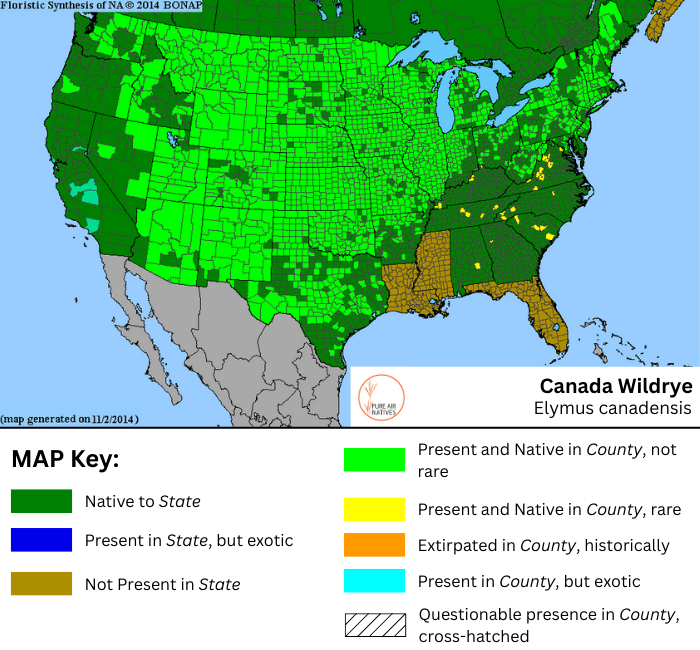
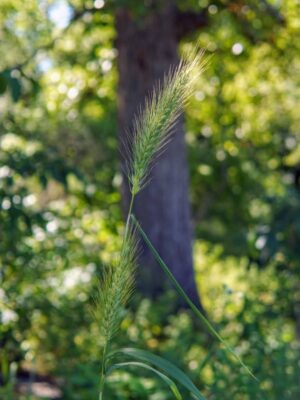
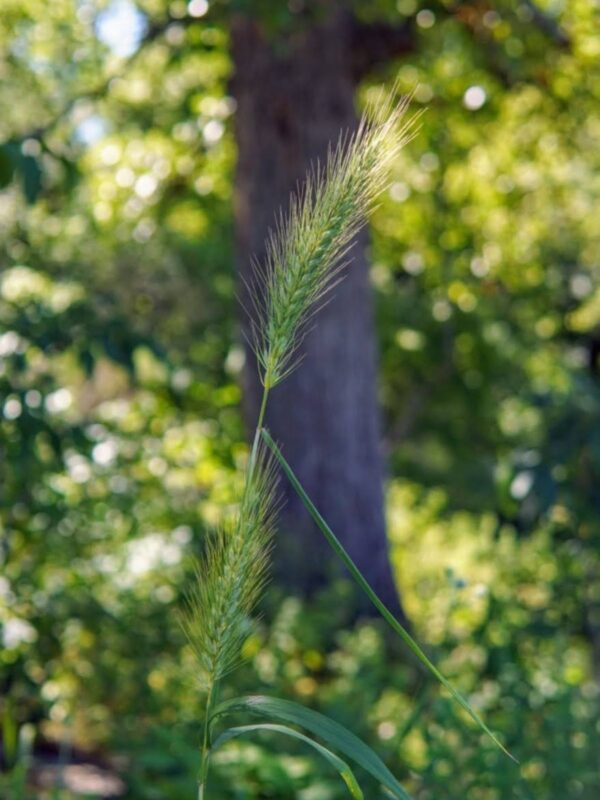
Canada Wildrye (Elymus canadensis) is a fast-establishing native grass that plays an important role in prairie and restoration plantings. It is a cool-season bunchgrass that grows actively in spring and fall and is commonly found along streambanks, ditches, and open prairies.
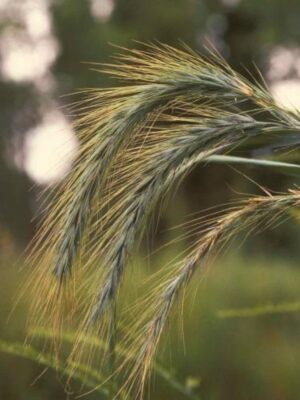
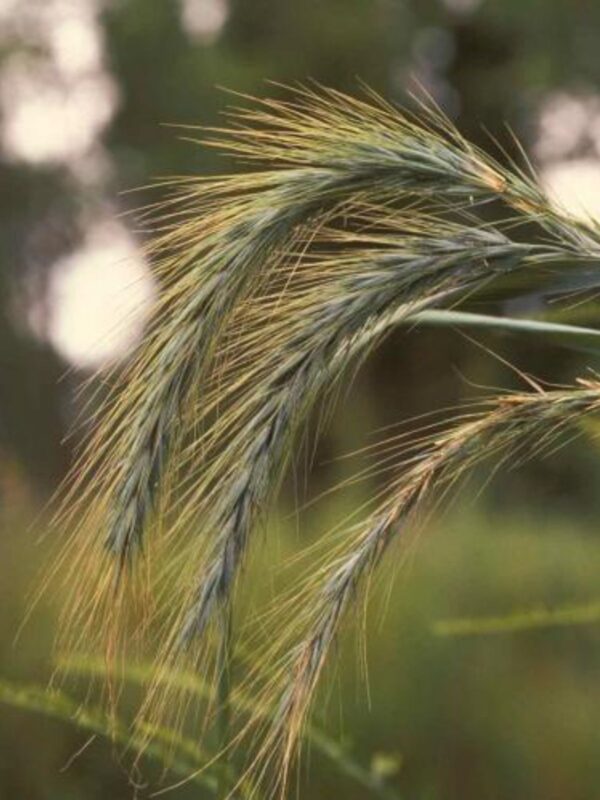
It grows 3 to 5 feet tall and is easy to recognize by its arching stems and nodding seed heads. These seed heads give it a soft, flowing look in the landscape and add texture through the growing season.
Canada Wildrye establishes quickly and is often one of the first grasses to show up in new plantings. Because of this, it is commonly used as a native cover crop and in seed mixes that need to establish quickly. Over time, it is gradually outcompeted by longer-lived prairie grasses and wildflowers, making it a good early stabilizer without becoming dominant.
It grows best in full sun to partial shade and prefers medium to moist soils, but it can tolerate a range of conditions. Its root system helps stabilize soil, making it useful for erosion control and restoration work. This grass provides food and habitat for wildlife. Many insects feed on it, including leafhoppers and caterpillars, which in turn support birds and other animals. As the plant matures, the seed heads develop sharp awns, so grazing animals and pets tend to avoid it later in the season.
Canada Wildrye pairs well with other native grasses like Virginia Wildrye (Elymus virginicus), Bottlebrush Grass (Elymus hystrix), Switchgrass (Panicum virgatum), Big Bluestem (Andropogon gerardii), and Indian Grass (Sorghastrum nutans).