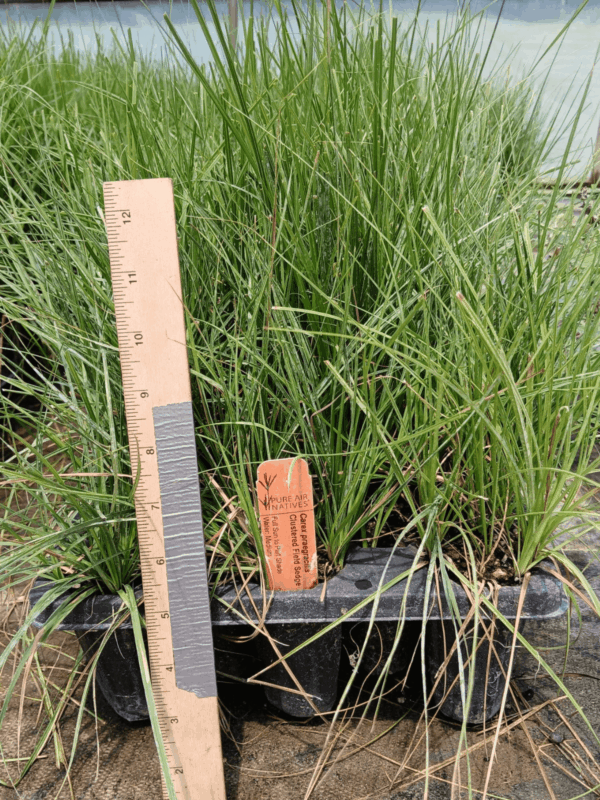
Description
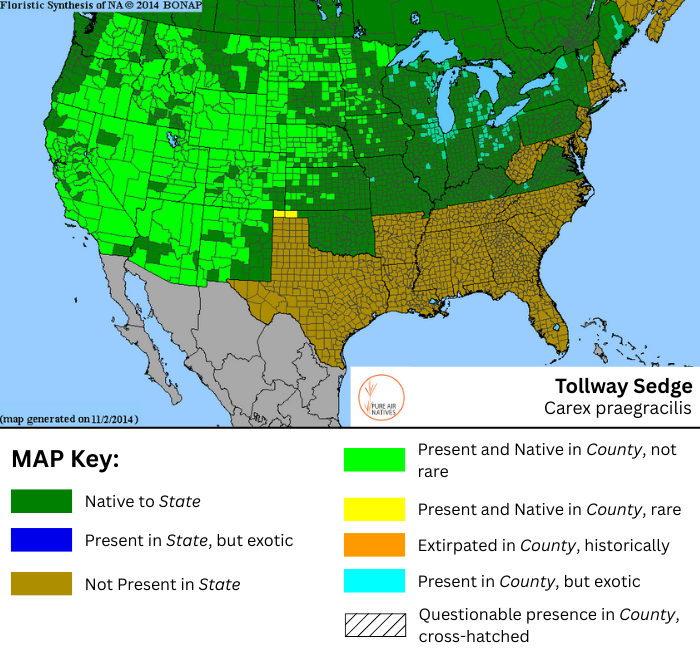
Tollway Sedge (Carex praegracilis), also called Clustered Field Sedge or Freeway Sedge, is a tough, versatile native that works in a wide range of conditions. The name comes from its ability to spread and naturalize along roadsides and disturbed areas.
It grows up to 2 feet tall with fine, grass-like leaves and spreads by dark, creeping rhizomes to form dense ground cover. This makes it a great option for filling in spaces, stabilizing soil, and creating a more natural, meadow-like look. It spreads steadily but predictably, so it’s easier to manage than more aggressive species.
Tollway Sedge does best in full sun to partial shade and prefers moist to wet soils, but it’s surprisingly flexible. While it’s drought-tolerant once established, it looks best with consistent moisture to stay full and lush. It also handles tougher conditions like compacted or slightly alkaline soils, making it useful for erosion control, rain gardens, swales, and restoration work.
The flowers are subtle—small green to brown spikes in late spring—but flowering isn’t its main feature. This plant’s real value is in its durability and function. It’s often used as a turf alternative since it can handle light foot traffic with less maintenance than traditional grass.
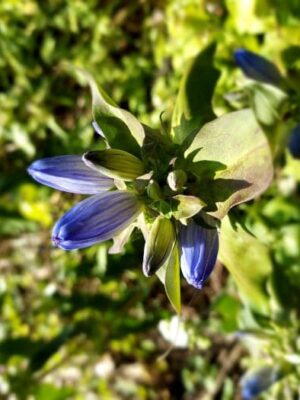
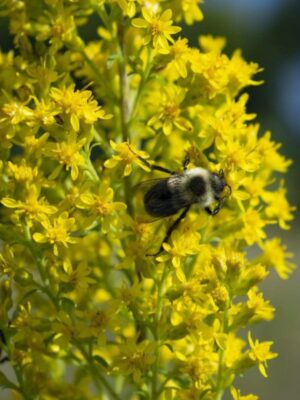
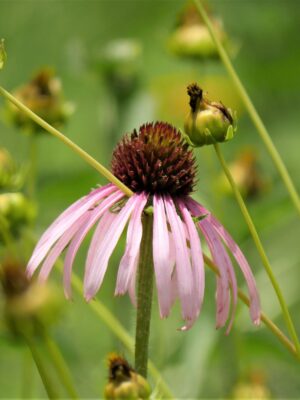
Tollway Sedge pairs well with other plants that handle both wet and dry conditions like Fox Sedge (Carex vulpinoidea), Palm Sedge (Carex muskingumensis), Soft Rush (Juncus effusus), and Switchgrass (Panicum virgatum).