





Description
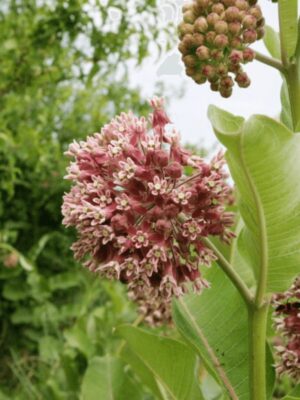
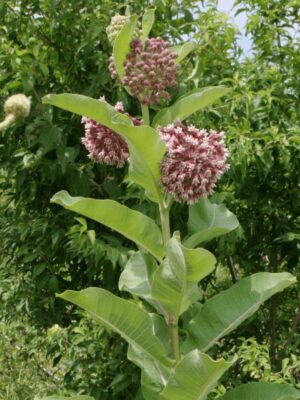
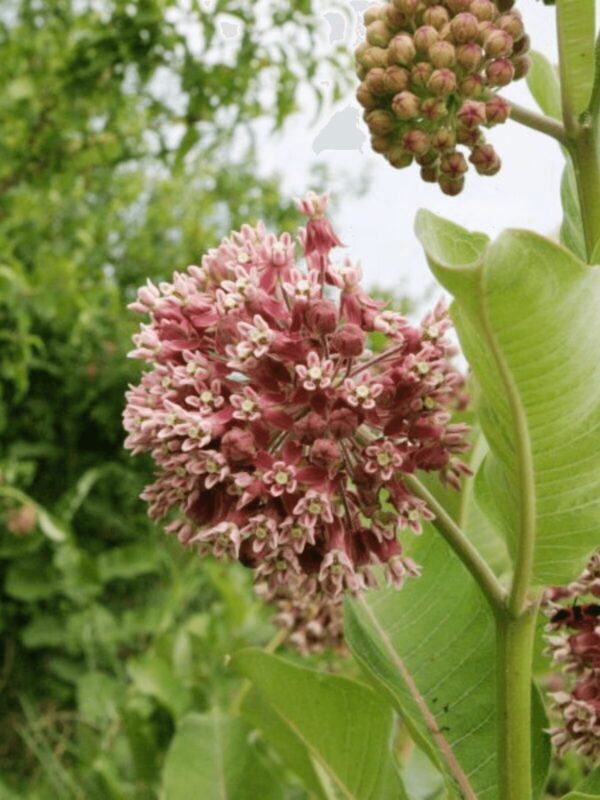
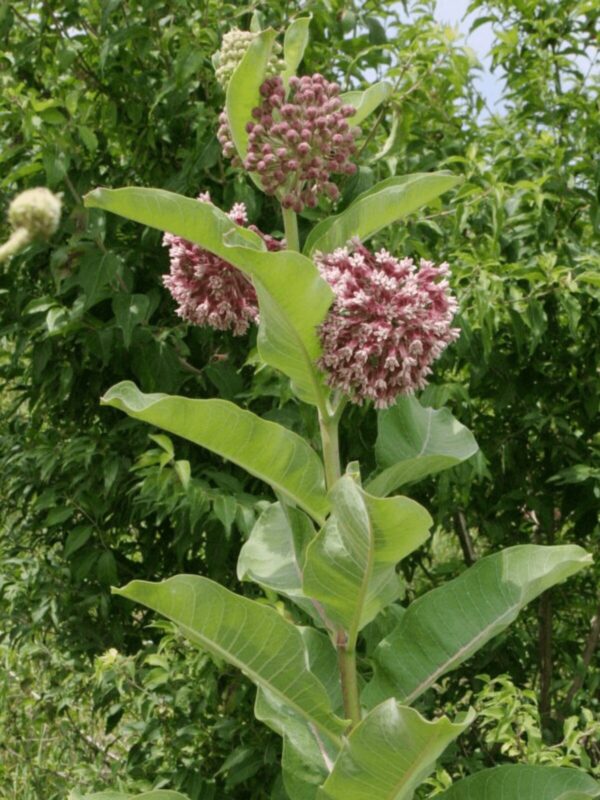
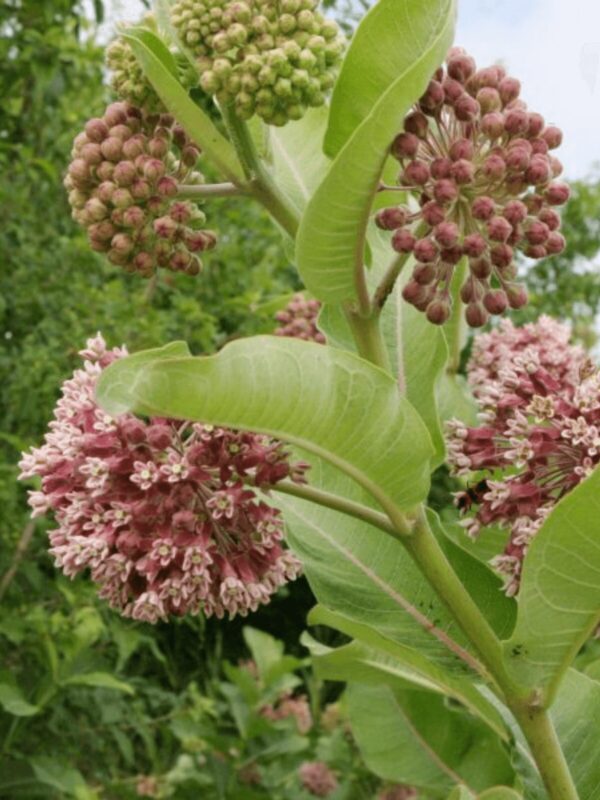
Common Milkweed (Asclepias syriaca) is a classic native that’s easy to recognize and incredibly important for wildlife. It sends up sturdy stems topped with round clusters of whitish-pink to rosy-purple flowers from early to mid-summer. The blooms are lightly fragrant and rich in nectar.
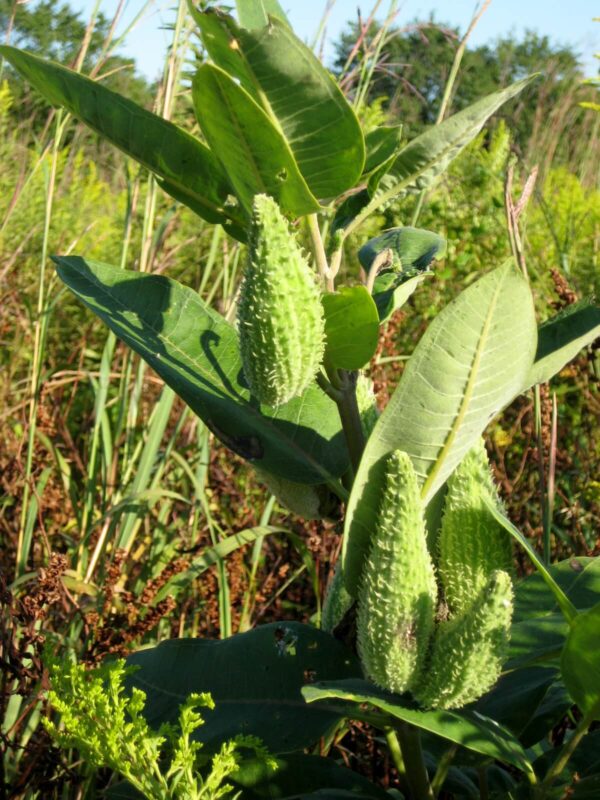
This plant plays a critical role in supporting Monarch butterflies, serving as a primary host plant for their eggs and caterpillars. Bees, butterflies, and other pollinators visit the flowers, while birds use the silky seeds from the large pods later in the season.
Once widespread across fields and roadsides, Common Milkweed has declined significantly due to development and increased herbicide use in agriculture. Planting it, even in small spaces, helps restore habitat and support Monarch populations.
It grows best in full sun but tolerates partial shade and a wide range of soils, from dry to moderately moist. It is very easy to start from seed and establishes quickly, making it one of the more beginner-friendly native plants. Once established, it is tough and drought-tolerant. Common Milkweed spreads by both seed and underground rhizomes, forming colonies over time. It can be aggressive in smaller garden spaces but works well in prairies and naturalized areas. Deer typically avoid it due to its milky sap.
It pairs well with Butterfly Milkweed (Asclepias tuberosa), Swamp Milkweed (Asclepias incarnata), Purple Coneflower (Echinacea purpurea), Lanceleaf Coreopsis (Coreopsis lanceolata), and Little Bluestem (Schizachyrium scoparium).